


End of an era
 Stephen Wong MW in Wine News
 Become a member to view this article
The Real Review is editorially independent. We don’t sell wine. We are free of influence from vested interests such as wine producers and sellers, and proprietors with conflicts. We tell you what we think about reviewed wines, served straight up. Our articles cover topics our writers choose because of genuine interest.
We rely on our members to publish The Real Review. Membership provides access to thousands of articles, a growing database of more than 160,000 wine tasting notes, exclusive member discounts and more.
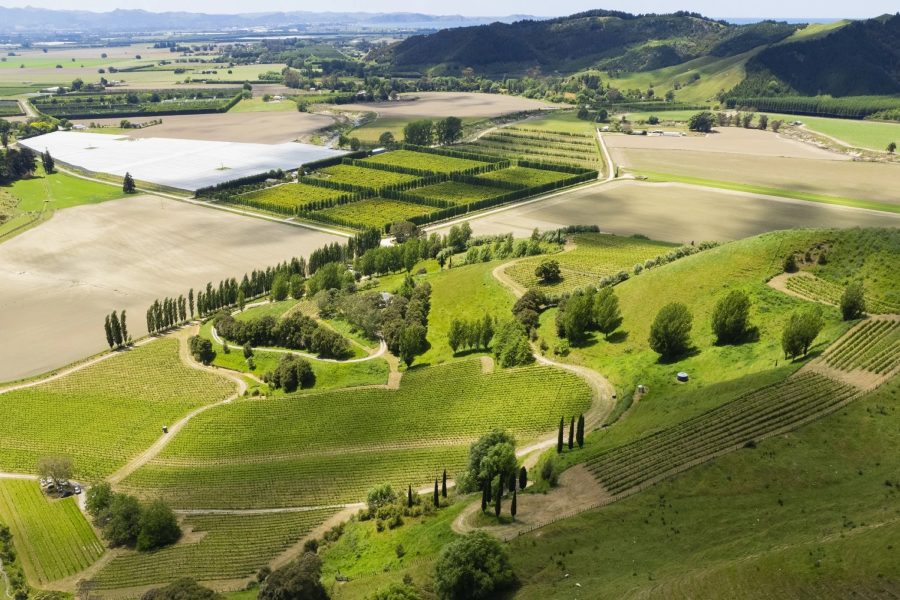
Millton Vineyards in Gisborne. Milton Vineyards
“After more than 41 vintages, we have chosen to retire both the vineyard and ourselves and now look forward to spending more time with our family” – Annie Millton.
The 2025 vintage will be the last made by The Millton Vineyard. This marks the end of 41 years of farming which pioneered organic and biodynamic farming in Aotearoa New Zealand, flew the flag for top-quality wines in Gisborne and inspired the next generations of farmers and winemakers in the country.
“The Millton Vineyard leaves behind a legacy of innovation, authenticity—an enduring contribution to New Zealand’s wine story.” – Annie MilltonJames and Annie Millton established The Millton Vineyard in 1984 on the banks of the Te Arai river in Manutuke. Annie’s father, John Clarke, was already a grape grower, having established his vineyard, Opou, in the 1960s. James Millton started making wine (albeit fruit wine) against school rules when he was in boarding school at the age of 14.
The couple went on their wine pilgrimage to France and Germany where they were first witnessed the culture of organic winegrowing. Upon returning to Gisborne, they worked at John’s Opou vineyard and started experimenting with organic farming techniques while learning as much as they could about organic viticulture. By 1983 they had replanted significant portions of that vineyard in new varieties focused on quality— again, influenced by their time abroad—chardonnay, riesling, gewürztraminer, pinot noir and chenin blanc. The next year would see them establish their own vineyard with a firm stance of organics and biodynamics, achieving organic Biogro certification in 1989 and Demeter biodynamic certification in 1990.
The crown jewel of the estate was planted a short distance away on their ‘grand cru’ slope, called Clos de Ste.-Anne after Annie Millton. It started with the core of chardonnay and pinot noir which was already planted in 1980, and they added a bit more pinot noir as well as chenin blanc, syrah and viognier in 2001.
These would rise to the top of the winery’s portfolio with each of the four sections given an additional moniker, Naboth’s Vineyard, for the original plantings of chardonnay and pinot noir, The Crucible for the syrah, Les Arbres for the viognier and La Bas for the chenin blanc. For a time, there were also more vineyards which bore the name of family members: Clos Monique for their daughter (now making wine at Manon in the Adelaide Hills) and Clos Samuel for their son (who made wine at Millton for a time before moving to Wellington to pursue tertiary education).
The Millton Vineyard was also a southern hemisphere pioneer of biodynamics, being part of an exclusive group of estates started by Nicolas Joly’s La Renaissance des Appellations. James often quoted Joly’s “Before a wine can be great, it must first be true” and he was one of the first in the country’s wine industry to raise awareness of the scientific work which had occurred in the mycorrhiza. Another of his favourites is “We stand on the roof of another kingdom” referring to the complex and essential role played by the mycorrhizal network in plant ecology, communication and health, a field we are still learning much about.
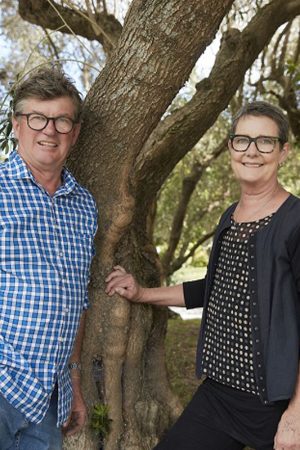
James and Annie Millton. NZ Winegrowers
The Milltons provided the proof, encouragement and advice to successive generations of winegrowers that organic and biodynamic farming was not only viable, but by their huge success nationally and internationally showed that it was capable of producing top quality wine.
The winery was also early in the adoption of sulfur-free and non-interventionist winemaking, being part of the small group who identified with the natural wine movement of Europe. They released an amber wine without sulfur or adjustments from gewürztraminer under the Libiamo name in the early 2010s and proceeded to expand their natural wine program to include other white varieties, fermented on skins for varying lengths of time from a month to more than 220 days, utilising clay amphorae for fermentation and ageing.
James had left the business a few years ago, with Sam continuing to work at the family’s winery until he departed for Wellington. The business consolidated its vineyards and released a smaller set of wines up to and including the 2025s. They remain inspirational wines and will no doubt become more collectible now that production has ceased. Those who have bottles in their cellars will hold a key piece of Aotearoa’s vinous history.
Annie sums it up well:
“While this chapter closes, the spirit of The Millton Vineyard remains alive. Over the decades we have cared for the land we have farmed, and now we leave it in a better state for future generations. The Millton Vineyard leaves behind a legacy of innovation, authenticity—an enduring contribution to New Zealand’s wine story.”